Repair and overhaul

From careful disassembly and analysis to reliable repair or overhaul

The first step towards a reliable repair, overhaul, or replacement is careful disassembly. Matecs disassembles systems and components in a structured manner, assesses their technical condition, and—if desired—documents the findings in a report. Subsequently, parts can be repaired, overhauled, optimized, or—if necessary—completely replaced or replicated.

Geroest

From problem to solution

Whether dealing with a single defective part or a complete system overhaul, Matecs begins by assessing the technical condition and determining the necessary course of action. Components are carefully disassembled and inspected, then repaired, refurbished, or replaced as required.

In our workshop, we restore parts to their original specifications or manufacture new components. We employ various metalworking and repair techniques—such as thermal spraying and weld overlay—tailored to the specific material and application. This approach extends the service life of installations and minimizes downtime.

Digital Camera Digital Camera

When are repair and refurbishment options?

If there is an acute problem or when the service life can potentially be extended. We can advise you on the best course of action.

Maintenance is required

By carefully dismantling a machine, system, or component, we identify wear and damage. Parts can then be repaired, refurbished, or replaced.

You want to extend service life

Parts can be restored, resized, or—where necessary—built up with new material via thermal spraying or weld overlay.

Minimizing/preventing downtime

Determining the right approach allows for efficient repair, replacement, or rework. This minimizes downtime and prevents consequential damage.

Modification or replacement

Our analysis leads to a recommendation, after which existing parts can be replaced or re-measured and manufactured.

Restoration through craftsmanship and modern metalworking

Following a careful analysis, we can repair, overhaul, upgrade, or remanufacture components in-house. We employ various metalworking and restoration techniques—such as thermal spraying and weld overlay, restoration to original dimensions, and finishing of steel and high-alloy materials. If drawings are unavailable, we can measure existing components and create new drawings to replicate or improve them. By combining engineering, production, repair, and overhaul, we can quickly move from analysis to a suitable, reliable solution.

How do we proceed?

Step 1
Step 2
Step 3
Step 4
Disassembly & Inspection

During disassembly, all findings are recorded and incorporated into a damage report.

Analysis & Repair Proposal

Based on the report, a technically substantiated proposal for repair, overhaul, or replacement is prepared.

Execution in Our Workshop

In our machine shop, components are restored according to drawings and specifications using various machining techniques. An as-built drawing can be produced.

Final Inspection & Handover

Following repair or replacement, the component or system is reassembled and inspected. If desired, an independent certification body can perform the final inspection.

What’s in it for you?

Reliability

An installation or component is given a second life through controlled dismantling, inspection, and either refurbishment or the replacement of defective or worn parts.

Reduced downtime

Our approach identifies the root cause and enables quick, efficient repairs, thereby preventing downtime or damage.

Certainty

Worn components are safely removed and replaced according to a schedule to prevent downtime and consequential damage.

Sustainability

Reusing or refurbishing components reduces the need for replacements; this saves costs and extends the equipment’s service life.

Need technical advice? Ask our specialists!

Drawing on our experience in the dredging industry and various other sectors, we are happy to help determine the best approach for your situation. Taking your specific circumstances or application into account, we provide expert advice on repair, refurbishment, or further optimization.

Drilling holes at Matecs

Case studies

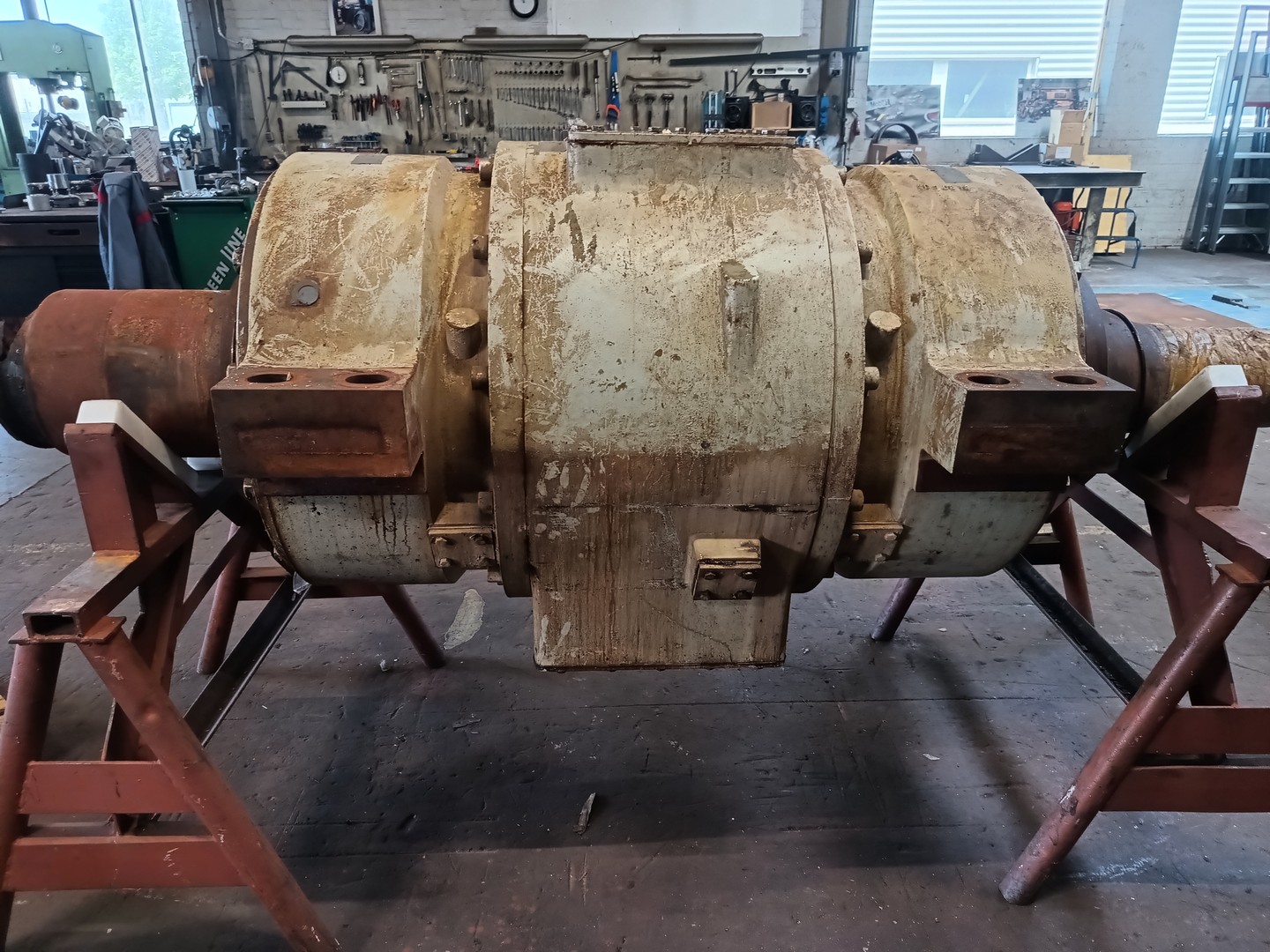
Lagerblok voor Lagerblok na

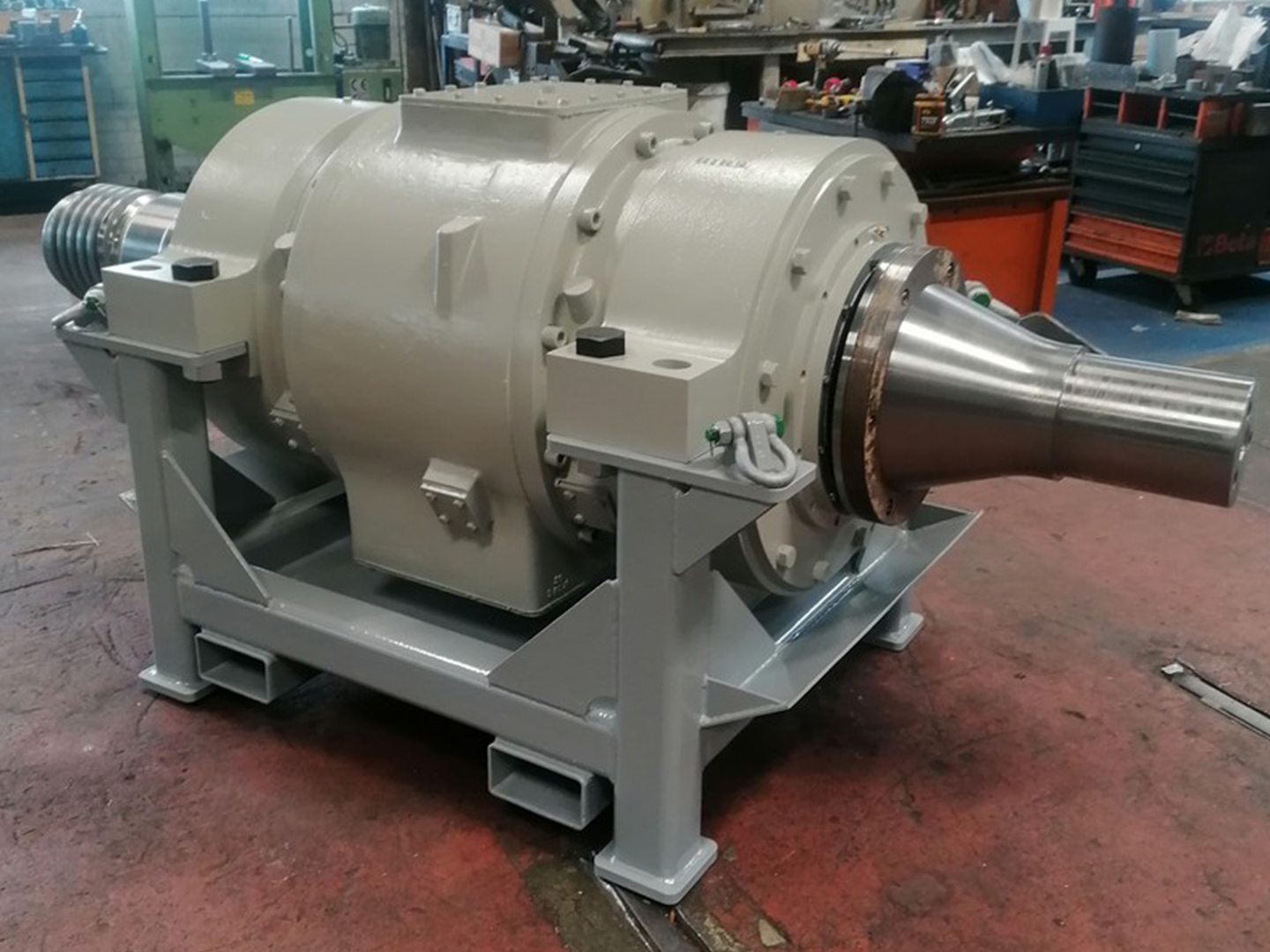
Inspection and overhaul of a bearing housing

Client request: Can Matecs inspect and overhaul the bearing housing?

A bearing housing typically has a specified number of operating hours after which an overhaul is required. It is also important to have the bearing housing overhauled if steel particles are found in the oil filter. The customer often has a spare bearing housing available. After it has been replaced and put into operation, the original bearing housing can be refurbished.

Matecs dismantles the bearing housing, thoroughly inspects all components and takes dimensional measurements. Based on these findings, we prepare a report and submit a repair proposal to the customer. Once approved, the required materials are purchased or manufactured, and we carry out the work according to the agreed procedure.

During the overhaul, we check the shaft on a lathe for any runout. We also inspect the threaded section for cracks using non-destructive dye penetrant testing (NDT-PT).

Next, the bearings are heated in the correct sequence, either in an oil bath or by induction, and fitted onto the shaft. The bearing housing is then reassembled.

Finally, we adjust the bearing housing and prepare it for customer acceptance. As a final check, we pressure-test the bearing housing for leaks and preserve it in accordance with the customer’s specifications.

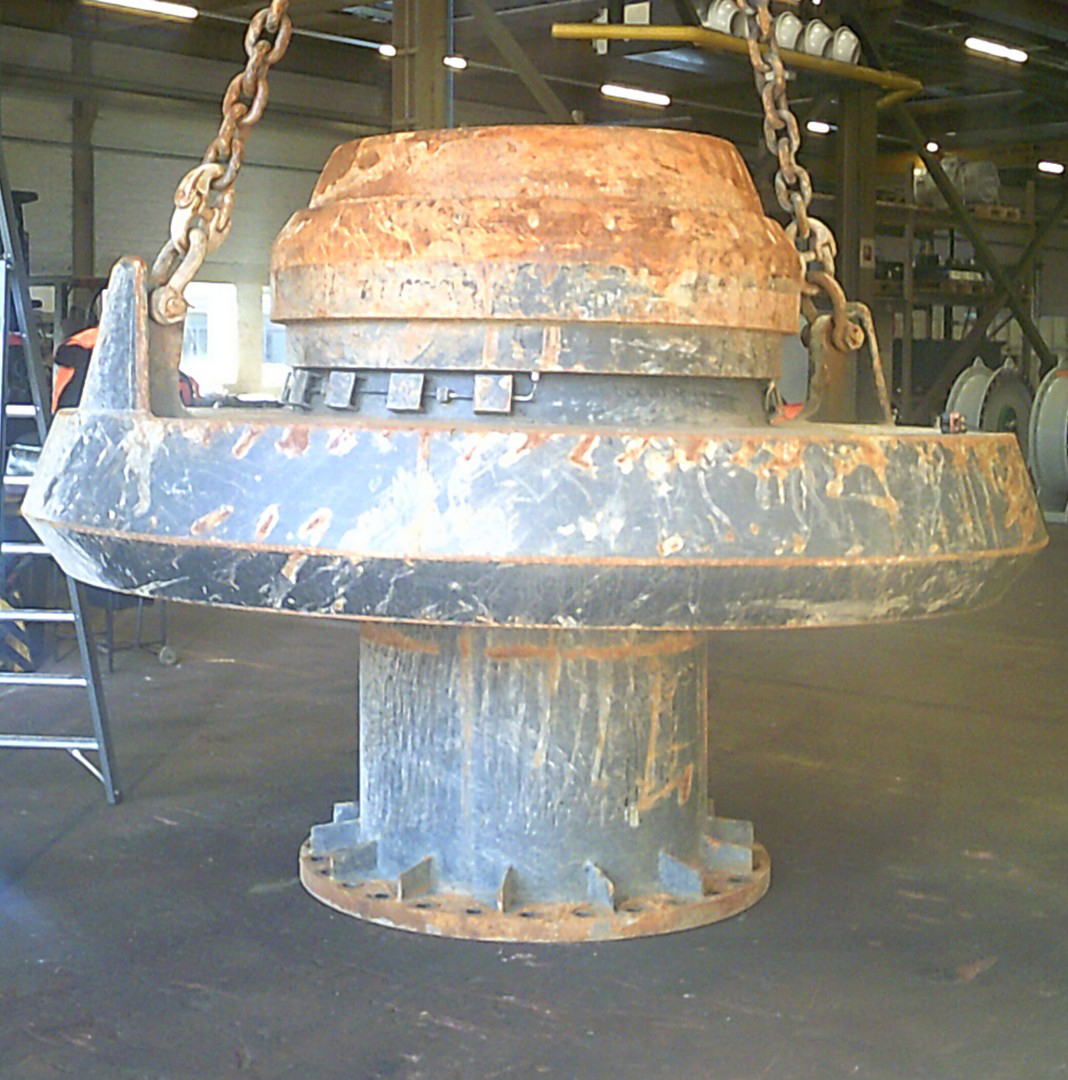
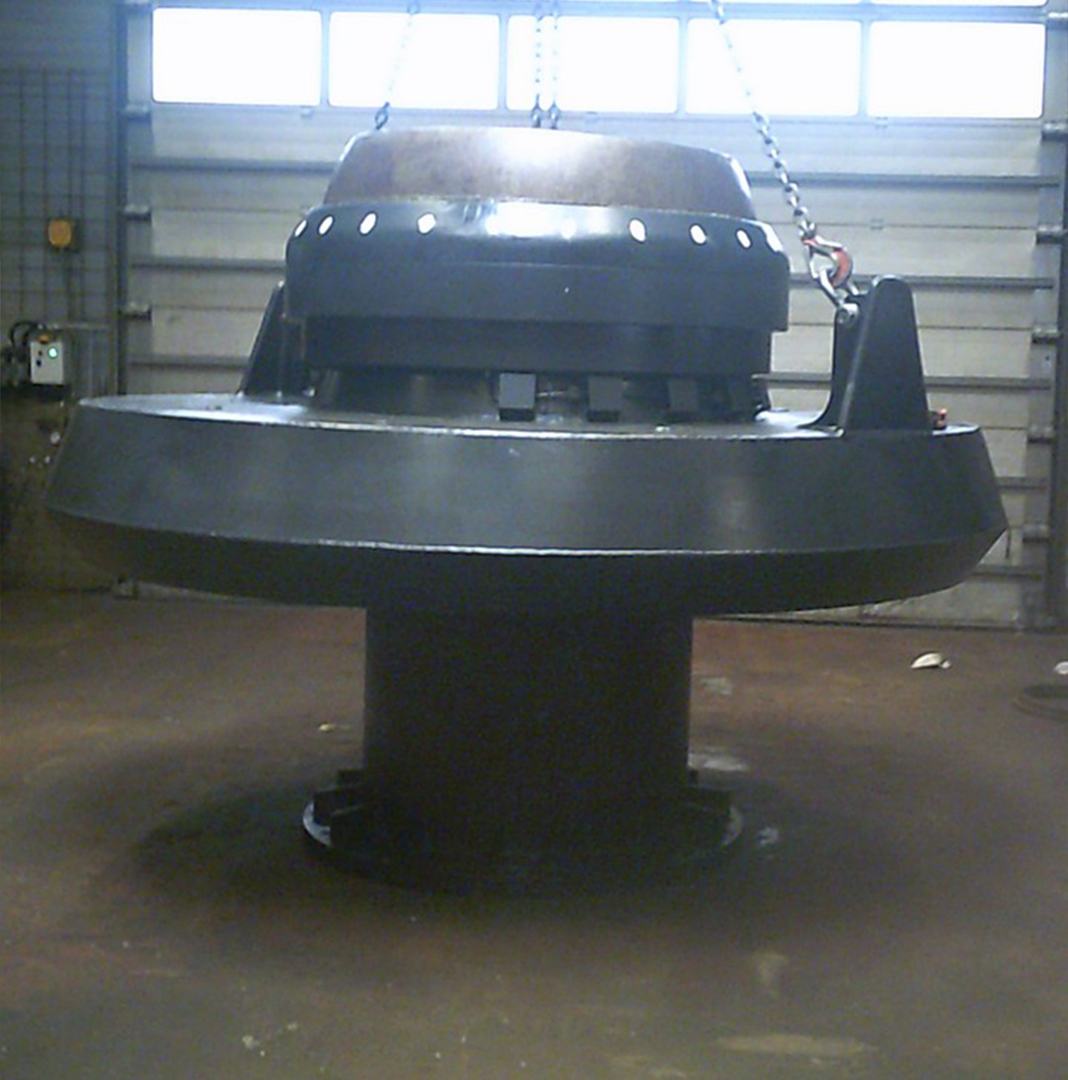
Reparatie en Revisie - Boegkogel voor 2 Reparatie en Revisie - Boegkogel na 2

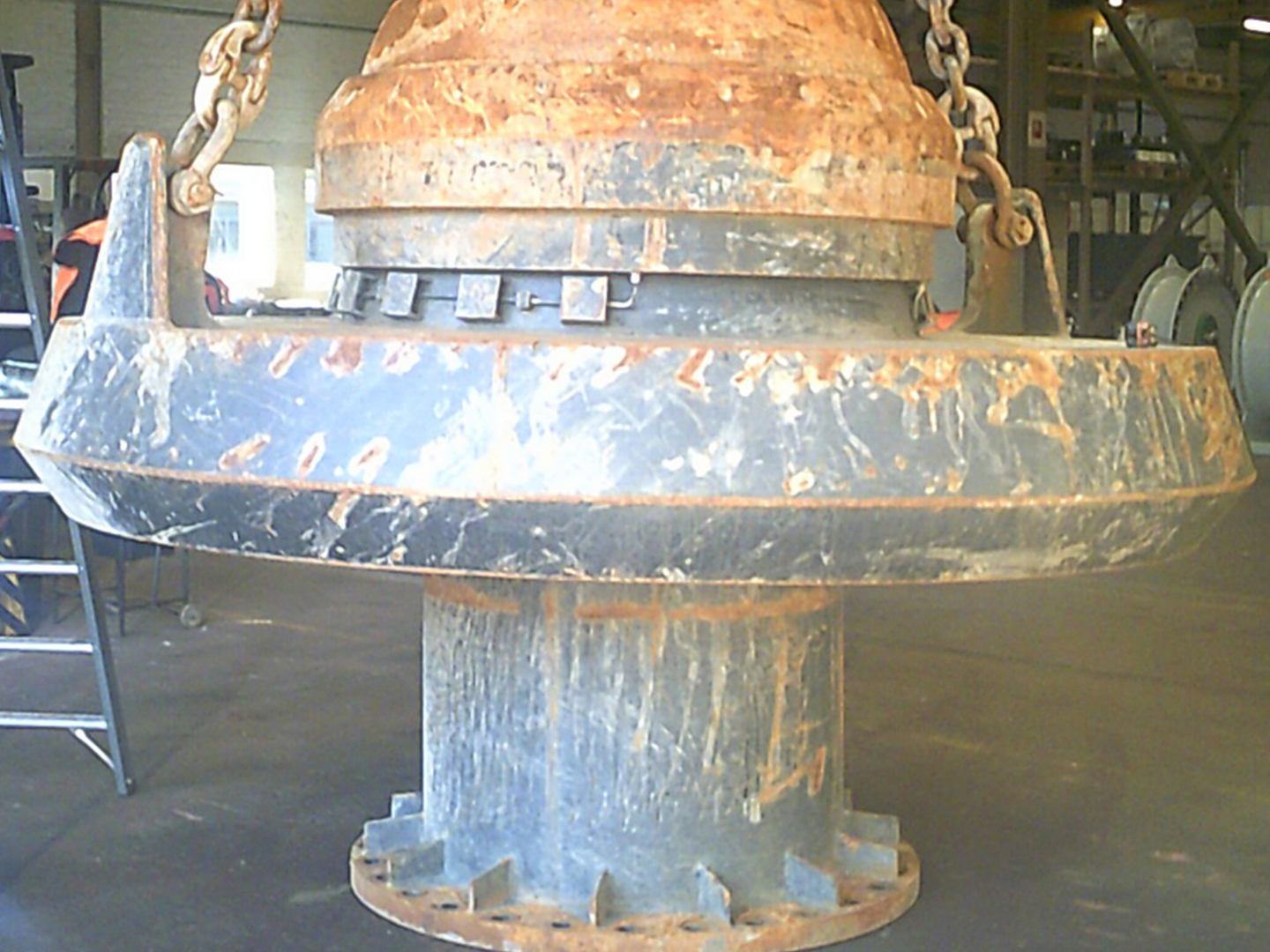
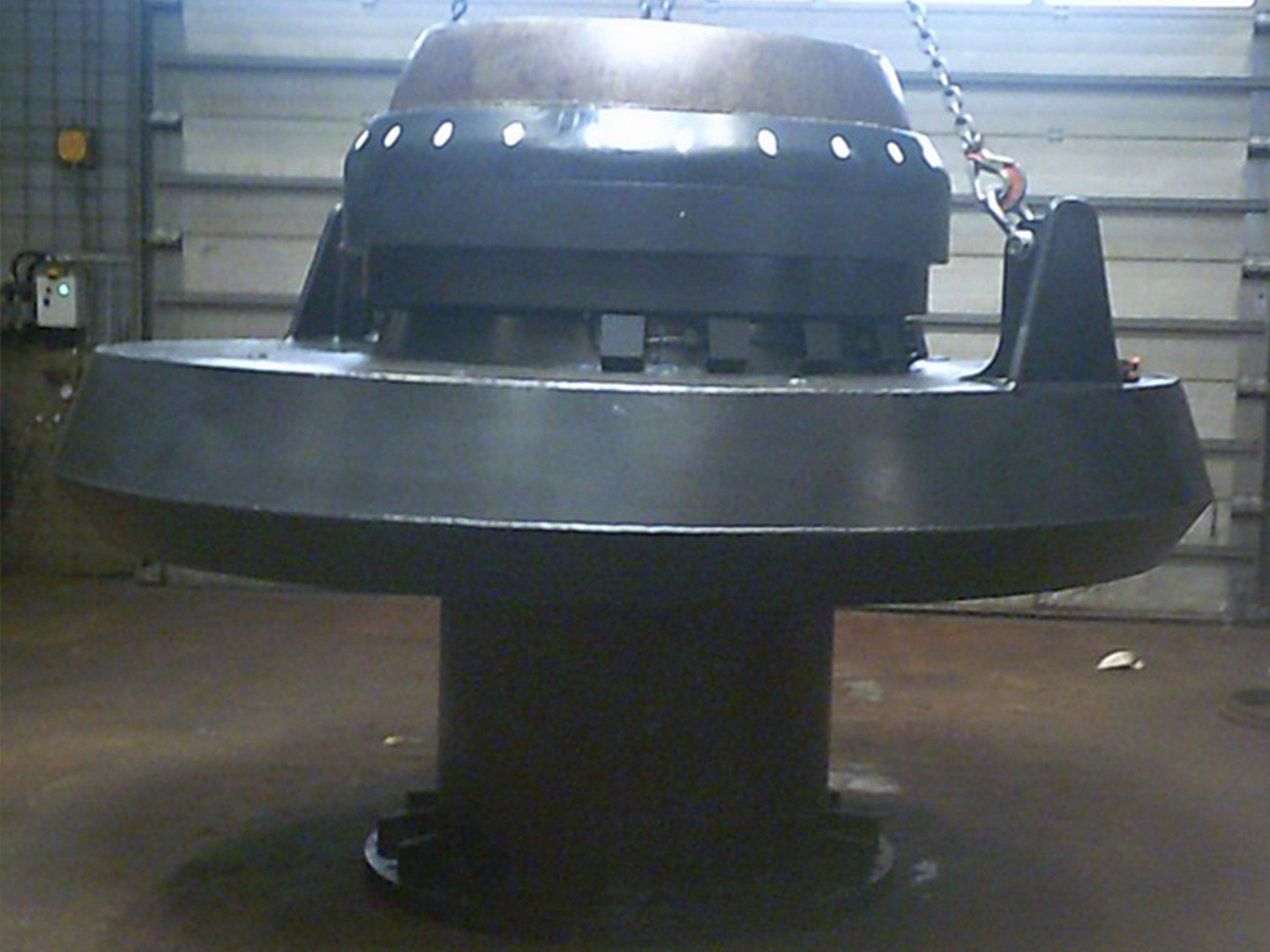
Inspection and refurbishment of a bow coupling

Client request: Can Matecs repair the bow coupling, which has seized due to contamination with dredging mixture, so that it functions properly again?

Contamination with dredging mixture caused the bow coupling, the hinged connection between the vessel and the floating pipeline, to seize.

Once the customer has delivered the bow coupling to us, we begin by inspecting it for any defects. This is followed by disassembly, during which the components are pressed apart. We also map the wall thickness of the inner pipe by taking thickness measurements around its circumference.

Next, the individual components are grit-blasted and repainted. The grease lines are made operational again, the ball of the spherical joint is greased, and a new seal is fitted.

Finally, the bow coupling is reassembled and its operation is checked. Once the work has been completed, we inform the customer that the bow coupling is ready for transport and commissioning.

Contact us

Cor Jan de Jong

Senior Sales Engineer

Ko Tanis

Managing Director

More information or specific questions?